
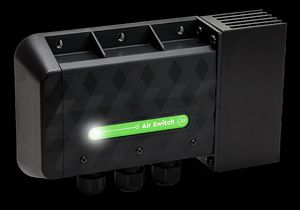
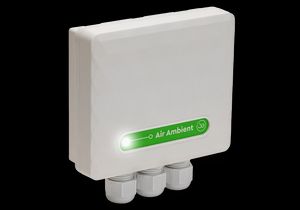
Air Switch
Measures energy at compatible single-phase assets and supports cloud scheduling and on/off controls.
ECO Energy / Smart Buildings & Controls
Explore Eniscope Air sensing, monitoring and compatible controls.
Best.Energy's connected devices combine monitoring, environmental information and control. Available functions depend on the devices installed and equipment compatibility.
Measures energy at compatible single-phase assets and supports cloud scheduling and on/off controls.
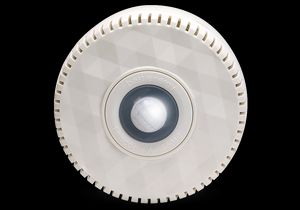
Collects temperature, humidity, occupancy and light information to help explain building conditions.
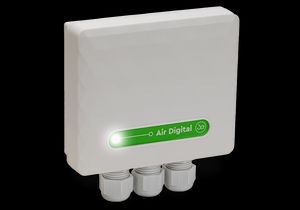
Adds scheduled or logic-based control for compatible three-phase equipment, with options for meter inputs and operational signals.
Designed for HVAC temperature-band management and scheduling, working with Air Sense to coordinate room conditions.
IoT sensors and controls can add selected building-management functions without treating every property as a full building-automation replacement.
Unusual operating patterns can prompt investigation. Alerts support maintenance decisions; they do not guarantee that failures will be prevented.
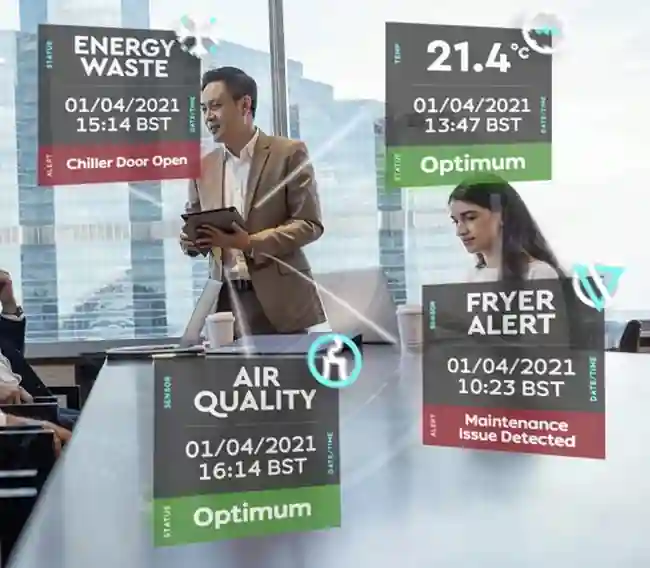
Compatible sensors can help track warming or cooling equipment and flag an open chiller door, giving teams a reason to respond sooner.
Begin with the functions that matter to your site and assess compatibility before specifying controls.
Eniscope serves as the hub for the connected system. Select devices around the equipment and functions required; compatibility and included features must be established for each project.
Compatible sensors can track temperatures and other operating conditions. Alerts can flag unusual equipment behavior or an open chiller door so staff can investigate.
Scheduled or sensor-driven controls can help align compatible equipment with building activity. For example, occupancy information can supply context for operating schedules.
A connected system can provide selected building-management functions. It does not mean every existing control system should be replaced. Define the required monitoring points, alert recipients and control functions before installation. Monitoring supports maintenance decisions without guaranteeing prevention of equipment failures.